Multi-Currency Travel: How to Manage Money Across Countries
Crossing borders means juggling currencies. Here is how to track spending across countries, get fair exchange rates, and always know what a trip really costs.
A single-country trip is easy: everything's in one currency. But the moment you cross a border — a rail trip through Europe, a Southeast Asia loop — your spending fractures across currencies and your sense of "what did this cost?" goes with it.
Always record what you actually paid
The golden rule: log each expense in the currency you paid in, not a converted guess. Convert for reporting, never for recording. That way your history stays accurate even if exchange rates move.
Pick one "home" currency for the trip
Choose a base currency you think in, and let every expense roll up to it. Now "the trip so far" is a single meaningful number instead of five separate piles you can't compare.
Understand the rate you're actually getting
The mid-market rate you see on Google is not the rate you get. Cards add a margin, ATMs add fees, and airport bureaux are the worst of all. A few habits help:
- Pay in the local currency when a card machine offers you a choice — "dynamic currency conversion" almost always costs more.
- Withdraw larger amounts less often to spread fixed ATM fees.
- For accuracy, set your own exchange rate in your tracker to match what your bank actually charged.
Keep the running total honest
The point of all this is a trustworthy answer to "how much have we spent?" Track in local currencies, convert to one base, and your budget stays real across every border. Pair it with a solid trip budget and you'll never be blindsided by the final tally.
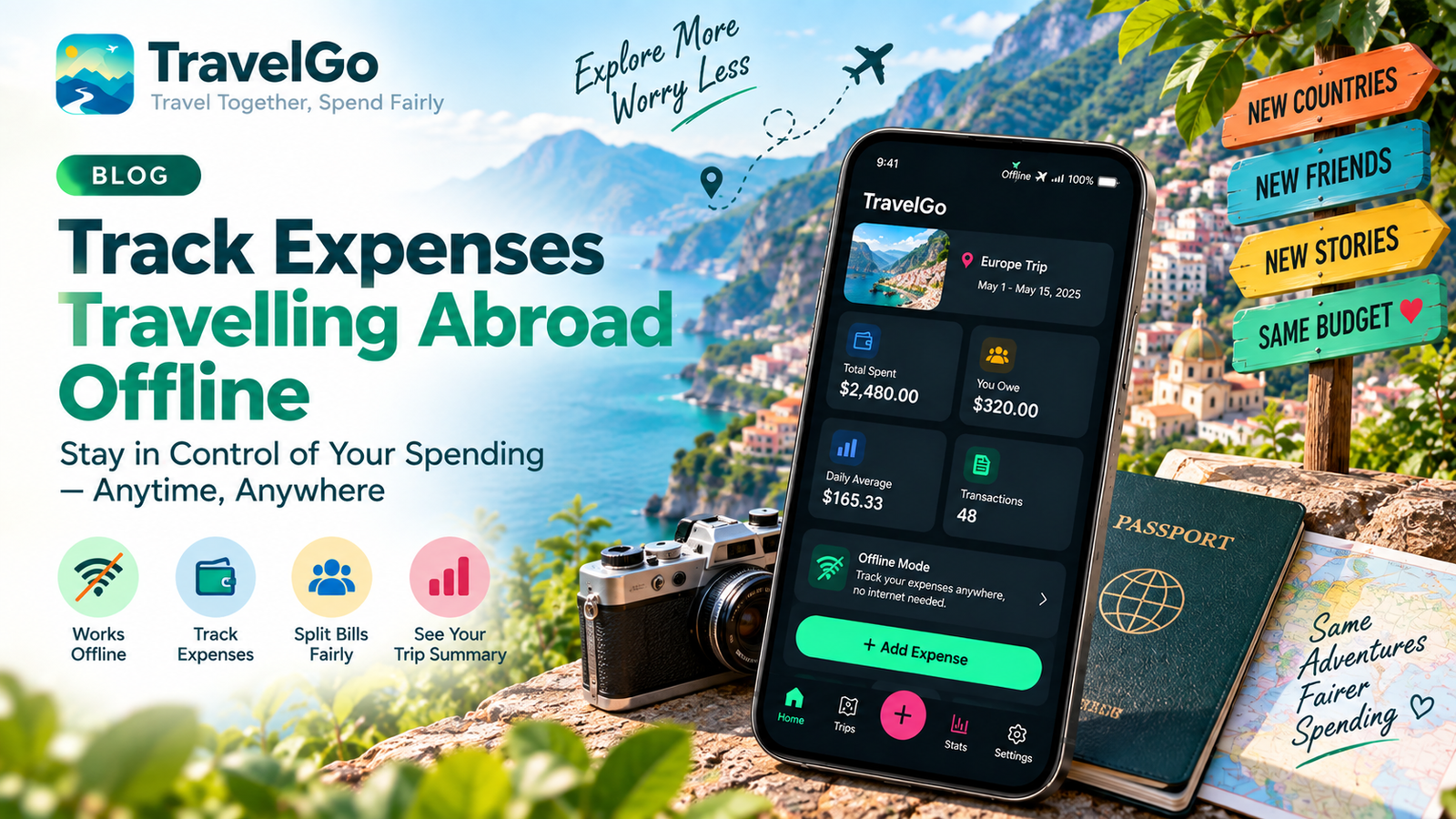
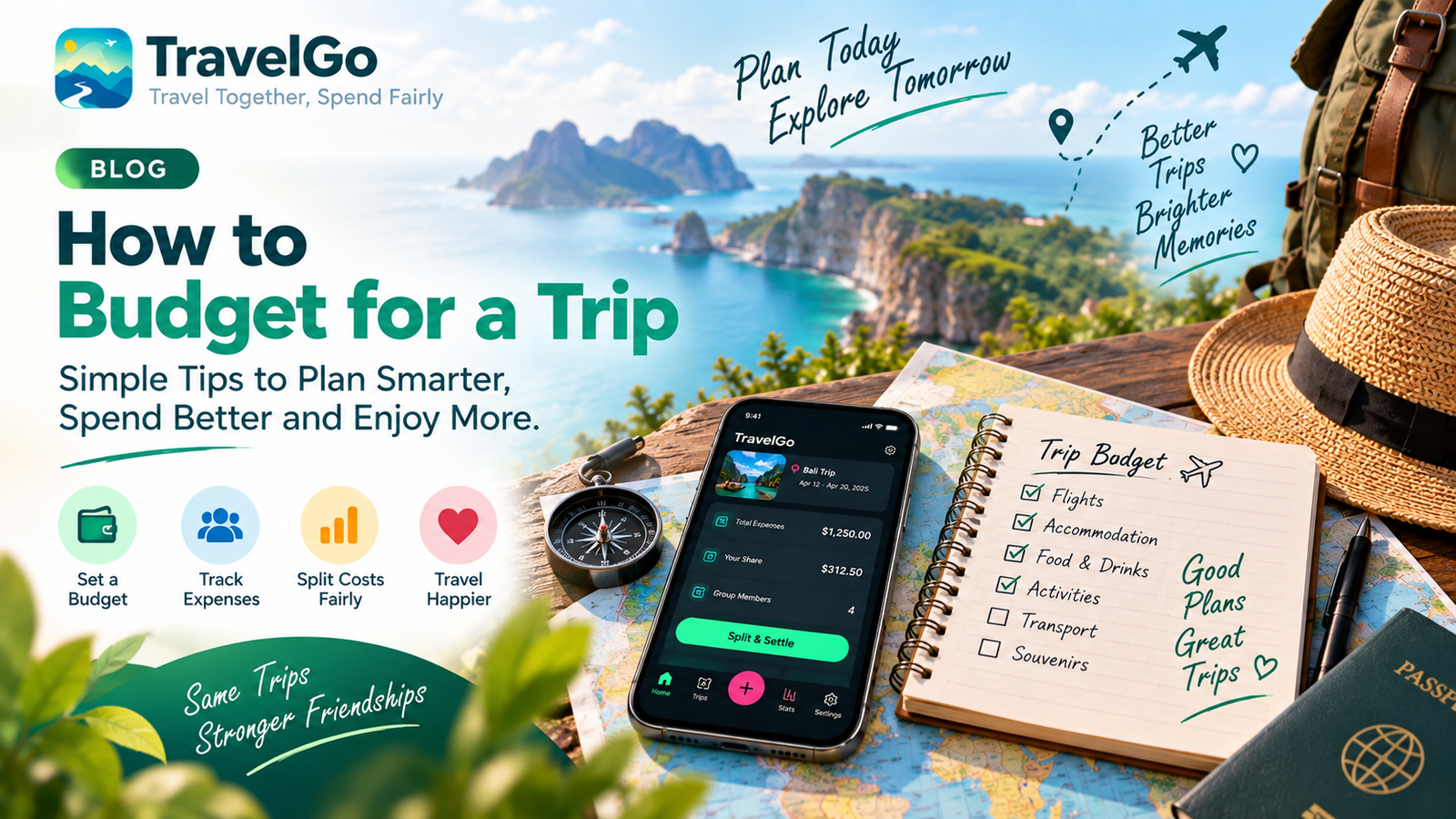
TravelGo supports 150+ currencies, converts everything to your trip currency automatically, and lets you set custom rates when you need precision. Start tracking below.
Put this into practice with TravelGo
Track expenses, split bills and settle up with friends — even offline.